Thinking about buying a home in Jersey City but torn between prewar charm and new-build convenience? You’re not alone. Each option can fit the way you live, your tolerance for maintenance, and your monthly budget in very different ways. In this guide, you’ll learn how prewar and new construction compare on structure, soundproofing, energy costs, taxes and abatements, HOA reserves and special assessments, and day-to-day upkeep. Let’s dive in.
Jersey City housing at a glance
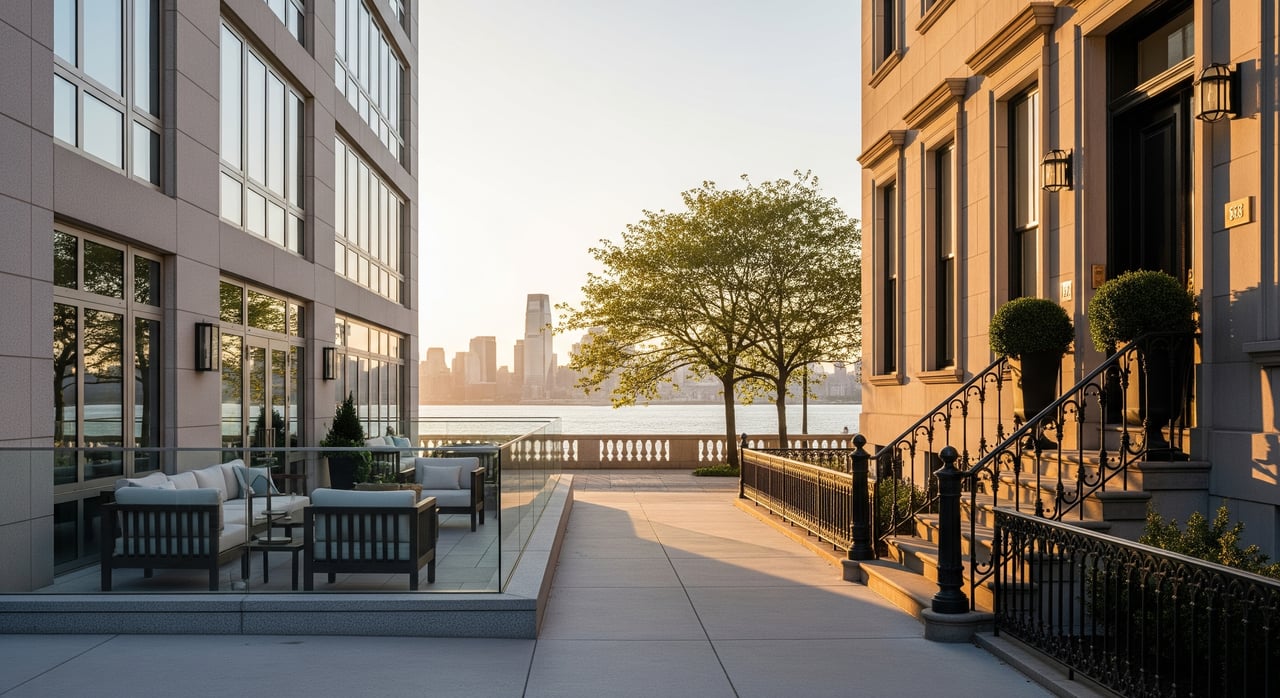
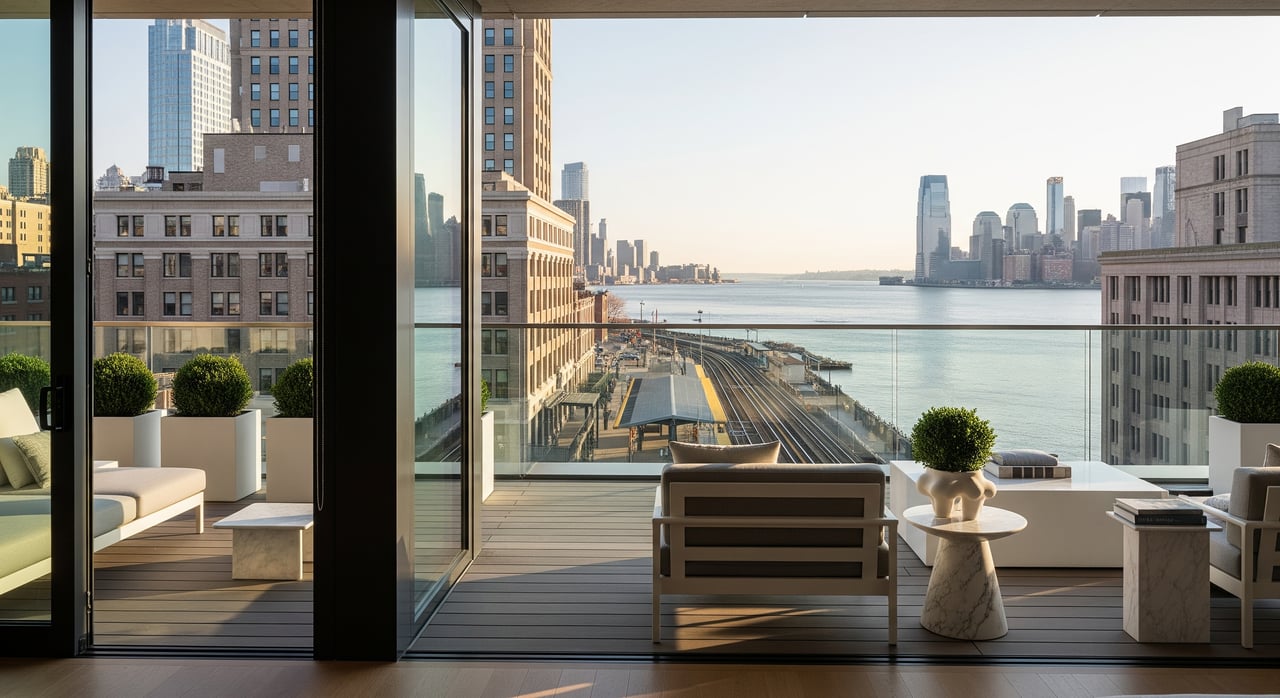
Jersey City offers both historic brownstones and walkups alongside modern mid- and high-rise towers. Prewar buildings are common in The Heights, Hamilton Park, Van Vorst Park, Paulus Hook, and parts of Journal Square. New construction clusters along the waterfront and in Downtown and Journal Square corridors with taller buildings and larger amenities.
What matters most is the specific building and neighborhood, not the label alone. A well-run small condo in a prewar walkup can be a better fit than a high-amenity tower if you want lower monthly fees. A newer waterfront condo may better suit you if you value elevators, a gym, and climate control with minimal renovation.
What “prewar” vs “new” really means
Structure and materials
Prewar homes typically feature brick masonry, plaster walls, and hardwood floors with load-bearing party walls. Thick masonry can provide thermal mass and help reduce some exterior noise. Older framing may need reinforcement if you plan major layout changes or if inspections reveal rot, settlement, or prior damage.
New construction often uses concrete and steel in towers and engineered framing in townhomes and infill projects. Systems are designed to current codes for wind and seismic loads. Interior partitions in some condos can be thinner, and large glass facades may create thermal bridges if detailing is weak.
Layout and space
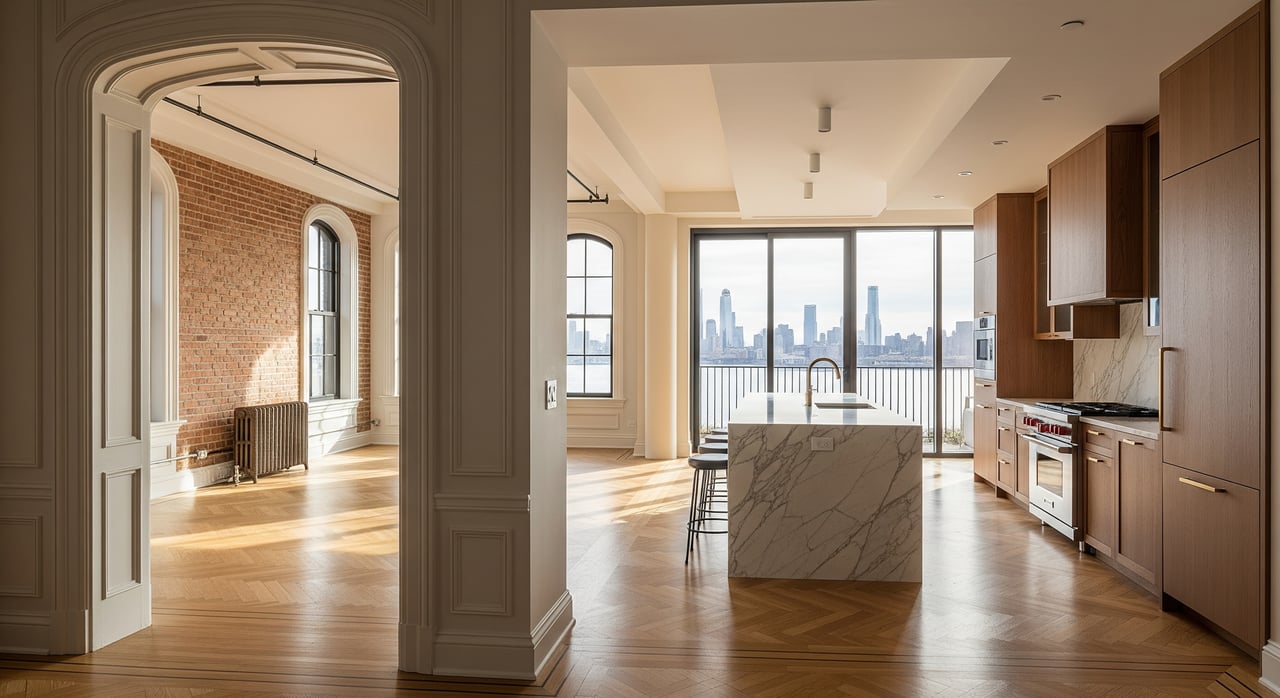
Prewar units often have higher ceilings, detailed trim, and distinct rooms. Kitchens and baths can be narrower, though many are adaptable. New construction leans toward open plans, larger modern kitchens and baths, and efficient layouts. Ceiling heights in towers can be lower than in historic townhomes, but floorplans are typically optimized for flow and storage.
Systems: HVAC, plumbing, electrical
In prewar buildings, you may find older plumbing and electrical, or piecemeal upgrades over time. Heat often comes from steam or hot-water radiators. Cooling may be window units or mini-split retrofits. In newer buildings, you’ll typically see central HVAC or VRF systems, modern electrical capacity, and energy-efficient appliances.
Elevators and amenities
Smaller prewar buildings are often walkups, which can mean lower monthly fees but less accessibility. Newer properties usually include elevators and amenities like concierge service and gyms. Those conveniences raise monthly common charges and future capital needs but deliver easy living.
Noise, comfort, and energy bills
Soundproofing in real life
Prewar masonry can block some outside airborne noise. Inside the building, older wood-framed floors may transmit impact sounds like footsteps. Most prewar walkups were built before modern acoustic standards.
Newer buildings are generally designed to meet code-based acoustic ratings, but results vary. Lightweight partitions, large windows, or mechanical noise from elevators and pumps can reduce privacy if not well isolated. Ask about wall construction, floor assemblies, and window sound ratings. Field testing by an acoustic professional can validate performance.
Energy efficiency and monthly costs
New construction tends to deliver better insulation, modern windows, LED lighting, and high-efficiency HVAC. That usually reduces energy use per square foot. Prewar buildings can be upgraded with insulation, window improvements, efficient boilers, and modern controls to cut bills, but payback varies. For general guidance on retrofit savings and strategies, review the U.S. Department of Energy’s Energy Saver resources on home efficiency upgrades and weatherization at the Energy Saver site from the U.S. Department of Energy. For appliance and system efficiency, consult ENERGY STAR guidance.
Taxes, abatements, and HOA finances
Tax abatements and PILOTs
Jersey City has used local incentives for redevelopment at different times, including abatements and PILOT agreements. Abatements can lower early-year property taxes but may phase out. Always verify the current tax status with the municipal tax assessor and read recorded abatement or PILOT documents. Build post-abatement taxes into your affordability model so you are not surprised later.
Practical steps:
- Ask for the unit’s tax history and current abatement/PILOT terms.
- Request an estimate of taxes after any abatement ends from the tax assessor.
HOA reserves and special assessments
Healthy reserve funds protect owners from sudden large bills for roofs, facades, elevators, windows, and mechanical plants. Associations should use a professional reserve study and fund reserves accordingly. See the Community Associations Institute for best practices on budgeting and reserve planning.
Special assessments occur when reserves are insufficient or urgent repairs arise. In older low-rise associations, common assessments include tuckpointing, roof replacement, and boiler upgrades. In newer towers, future capital items can include curtain-wall sealants, amenity refreshes, and mechanical plant replacements.
Lender implications matter. Some loan programs require minimum reserve funding and review project eligibility. For background, review condo project considerations from HUD and Fannie Mae project standards. If a building doesn’t meet lender standards, you may need a larger down payment or a different loan product.
Maintenance, renovation, and risk management
Typical prewar upkeep
Expect periodic masonry tuckpointing, roof work, flashing upgrades, and window replacements over time. Older boilers and radiator systems may require replacement or modernization. If central AC is not present, mini-split systems are a common retrofit choice in Jersey City.
Typical new construction upkeep
Newer buildings may include builder warranties. Cladding systems and curtain walls need planned maintenance, especially sealant and waterproofing cycles. When tower facades or amenities need work, projects can be expensive, so reserve planning is critical.
Environmental and health considerations
Homes built before 1978 may contain lead-based paint. Renovation work that disturbs paint should follow the EPA’s Renovation, Repair, and Painting rules. Learn more at the EPA RRP program page. Asbestos may be present in older materials and requires licensed abatement. Inspections should also check for moisture and mold risk.
Permits and historic districts
Exterior work in local historic districts may require approvals from the municipal Historic Preservation Commission. Interiors usually require standard building permits for structural, electrical, plumbing, or HVAC changes. Always confirm permit history for prior renovations and get warranties and inspection sign-offs in writing.
Decision guide: Which fits your goals?
Choose a prewar home if you want:
- Character details, higher ceilings, and distinct rooms.
- A smaller association with lower monthly fees (tradeoff: more hands-on capital planning).
- The option to add value through selective upgrades.
Choose new construction if you want:
- Elevators, concierge, and amenities that support a low-maintenance lifestyle.
- Modern HVAC, windows, and appliances that reduce utility use.
- Predictable systems and builder warranties in the early years.
Buyer checklist: compare apples to apples
For the building/association:
- Is there a recent reserve study? How do reserves compare to recommendations?
- Major capital projects completed or pending? Any special assessments in the last 10 years?
- Age and condition of roof, facade, windows, boilers, and elevators. Any warranties?
- Provide 3–5 years of budgets, financials, meeting minutes, insurance, and any litigation summary.
For the unit/property:
- Age and condition of HVAC or boiler, water heater, electrical service, and windows.
- Any signs of prior water intrusion, mold, or pests. Ask for contractor invoices and permit records.
- If prewar, ask about lead or asbestos testing and any remediation performed.
For taxes and monthly costs:
- Current tax bill, abatement or PILOT details, and estimated taxes post-abatement.
- Monthly HOA breakdown. What is included and how much goes to reserves?
- Typical monthly utilities. Ask for recent bills for a realistic baseline.
For financing:
- Confirm condo project eligibility with your lender early. Review reserve funding and owner-occupancy.
- If a building has limited reserves or unique risks, discuss loan alternatives and down payment options.
Bottom line
Prewar and new construction both work in Jersey City. Prewar offers enduring character with maintenance that comes in cycles. New construction delivers modern systems and easy living with higher common charges and future capital needs tied to building design and amenities. Focus on total cost of ownership and governance quality, not just finishes.
If you want a clear comparison of specific buildings, a review of HOA reserves, or help modeling taxes after an abatement, reach out. Schedule a Free Consultation with Dror Refaeli for practical, local guidance.
FAQs
What defines a prewar home in Jersey City?
- Generally, it’s an older masonry or wood-framed building built before the mid-20th century, often with higher ceilings, detailed trim, and radiator heat.
How do Jersey City condo tax abatements affect my payment?
- Abatements can reduce early taxes but may phase out. Always verify current status and model post-abatement taxes with the assessor before you buy.
Are prewar buildings quieter than new construction?
- Masonry can block exterior noise, but older wood floors can transmit footsteps. Newer buildings target acoustic ratings, though results vary by design and materials.
What should I look for in HOA reserves and budgets?
- Request the reserve study, check reserve balances versus recommendations, and review recent or pending capital projects and any special assessment history.
How do I plan for energy costs in a new high-rise?
- Review window glazing, HVAC type and controls, and shading. Large glass areas can raise cooling loads. Ask for utility history and system maintenance plans.